









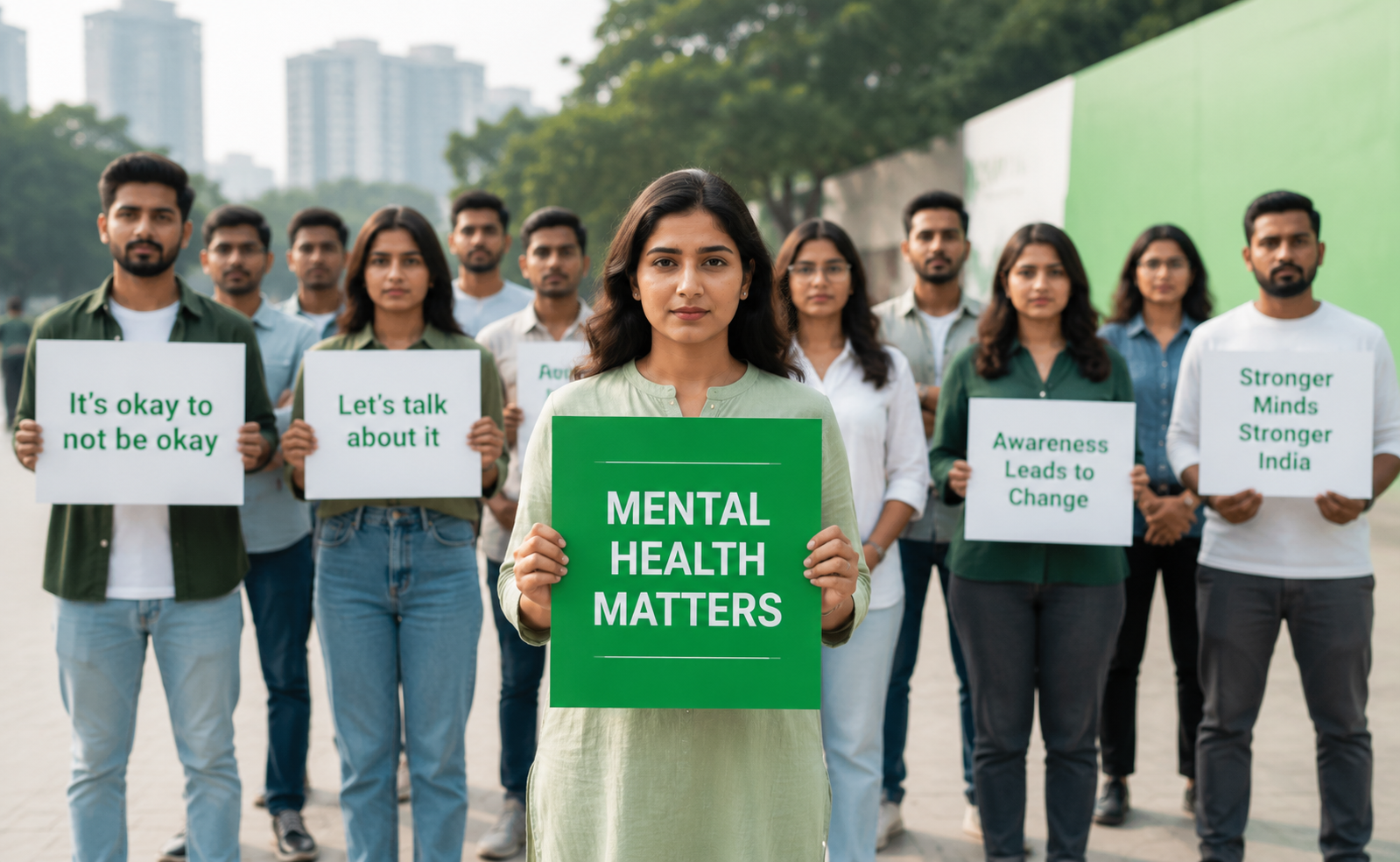
A mental health crisis can develop quickly, but the signs that come before it are often visible. Changes in behaviour, communication, emotional responses, daily functioning, or social interaction may indicate that a person is struggling more than usual. Recognising these changes early can create an opportunity to provide appropriate support before the situation becomes more difficult to manage.
A crisis does not always look the same. For one person, it may involve intense anxiety or emotional distress. For another, it may appear as withdrawal, confusion, unusual behaviour, or an inability to manage everyday responsibilities. Understanding these differences is important for families, educators, workplaces, and community organisations.
What Is a Mental Health Crisis?
A Mental Health Crisis refers to a situation in which a person’s emotional or psychological state has become so overwhelming that they may have difficulty coping or maintaining their usual level of functioning. The situation may involve significant distress, changes in behaviour, thoughts of self harm, severe anxiety, substance use, confusion, or other serious concerns.
A crisis is not necessarily the same as having a diagnosed mental health condition. Someone without a previous diagnosis can experience an acute crisis, while someone living with a diagnosed condition may experience periods of stability. The immediate priority is to recognise the level of concern and connect the person with appropriate support.
Early Signs That Should Not Be Ignored
Early warning signs can be subtle. A person may begin withdrawing from friends or colleagues, stop participating in activities they normally enjoy, experience noticeable changes in sleep or appetite, or struggle to concentrate. Someone who is normally communicative may suddenly become unusually quiet or difficult to reach.
Other signs can include persistent hopelessness, extreme agitation, intense fear, unusual confusion, significant changes in behaviour, or difficulty managing basic responsibilities. One sign alone does not necessarily indicate a crisis. What matters is the overall change in the person’s behaviour, the severity of the situation, and whether their ability to function or stay safe appears to be affected.
Why Early Recognition Matters
People do not always ask for help when they are struggling. Stigma, fear of judgement, uncertainty about what to say, or concern about being misunderstood can prevent someone from communicating what they are experiencing. In some cases, the people around them may also avoid starting a conversation because they are afraid of making the situation worse.
Early recognition creates another opportunity. Instead of waiting until distress becomes severe, a trusted person can approach the individual, listen without judgement, and help them identify appropriate support. This does not mean diagnosing the person or trying to solve the problem alone. It means responding to the situation with care and knowing when professional or emergency assistance may be needed.
How Mental Health First Aid Can Help
Mental Health First Aid provides education that can help people recognise signs of mental health problems, respond appropriately, and guide someone towards professional support. It is not a replacement for therapy, psychiatric care, medical treatment, or emergency services.
The value of first aid knowledge is particularly relevant because many people may notice changes in someone before that person reaches a healthcare professional. A trained individual may be better prepared to start a supportive conversation, listen to what the person is experiencing, assess whether immediate safety concerns are present, and encourage appropriate professional help.
The approach is centred on support rather than diagnosis. A Mental Health First Aider does not need to determine what condition someone has. Their role is to provide initial assistance and help the person move towards suitable care.
Responding When Someone Appears to Be in Crisis
The first step is to remain calm. A distressed person may already feel overwhelmed, frightened, angry, confused, or unable to think clearly. Responding with criticism, confrontation, or dismissive comments can increase distress.
Instead, use simple and respectful communication. Ask how the person is doing and give them an opportunity to speak. Listen carefully without immediately offering solutions. If there are concerns about immediate safety, take those concerns seriously and seek appropriate emergency or professional assistance.
It is also important to understand the limits of personal support. Friends, colleagues, teachers, managers, and volunteers can offer compassion and help connect someone to services, but they should not be expected to provide clinical care.
When Immediate Help Is Needed
Some situations require urgent action rather than a routine conversation. Immediate help may be necessary when someone is at risk of harming themselves or another person, is experiencing severe confusion or disorientation, cannot keep themselves safe, or is experiencing another serious medical or psychological emergency.
In such circumstances, staying with the person when it is safe to do so and contacting appropriate emergency or professional services can be important. The exact response will depend on the situation and the available local services.
People should not attempt to manage a serious emergency entirely on their own. Getting professional assistance is not an overreaction when there is a genuine concern about immediate safety.
The Role of Listening and Non Judgemental Support
Listening is one of the simplest forms of support, but it requires attention. A person experiencing significant distress may not need someone to immediately explain what they should do. They may first need to feel heard and taken seriously.
Helpful communication can include open questions, patience, and acknowledgement of the person’s experience. Statements such as asking what has been happening or how they would like to be supported can create space for conversation. Avoiding blame and judgement is particularly important because shame can make people less willing to seek help.
Support also means respecting boundaries. A person may not be ready to discuss everything immediately. Encouraging professional support while allowing the individual some control over the conversation can help maintain trust.
Building Crisis Awareness in Organisations
Organisations have an important role in creating environments where people can recognise concerns and know where to seek help. Mental health awareness should not exist only as an annual campaign. Employees, managers, educators, and support teams can benefit from practical guidance on recognising distress and responding appropriately.
Training can be combined with clear internal procedures. Employees should know whom they can approach, what support services are available, and what to do when there is an immediate safety concern. Managers should also understand that their role is to support and facilitate access to help rather than diagnose or treat mental health conditions.
A supportive organisational culture can make it easier for people to speak up before difficulties become overwhelming. Clear communication, confidentiality where appropriate, respectful management practices, and accessible support pathways all contribute to this environment.
Prevention Starts Before a Crisis
Crisis response is important, but prevention begins much earlier. Organisations, schools, families, and communities can strengthen mental health literacy so that people understand common signs of distress and know where to seek help.
Regular conversations about mental health can also reduce the idea that support should only be sought when a situation becomes severe. When people understand that mental health can change over time and that seeking support is a normal part of maintaining wellbeing, earlier help seeking becomes more possible.
This is where MHFA Supports Early Mental Health Intervention becomes particularly relevant. Training people to recognise signs, provide initial support, and guide others towards appropriate professional resources can strengthen the network of people able to respond when concerns emerge.
Creating a Culture of Early Support
Recognising a developing crisis is not about predicting exactly what will happen to someone. It is about paying attention to meaningful changes and responding with empathy and appropriate action. The earlier a concern is noticed, the more opportunities there may be to connect the person with support.
Mental health awareness becomes more meaningful when it leads to practical action. Families can learn how to start supportive conversations. Schools can equip educators with appropriate response skills. Workplaces can train employees and managers while establishing clear referral pathways. Communities can build stronger networks of people who know what to do when someone is struggling.
A crisis may not always be preventable, but early recognition can change how people respond to distress. Building mental health literacy, encouraging compassionate conversations, and knowing when to seek professional help can make support more accessible when it matters most.




Get Involved!
Leave a Comment