






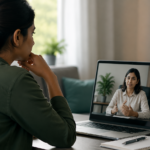



The rapid growth of digital mental health platforms has made Online Therapy one of the most significant developments in Indian mental healthcare access over the past several years. Understanding both its genuine benefits and its meaningful limitations helps individuals and organisations make informed decisions about when and how to use it effectively.
Why Online Therapy Has Grown So Quickly in India
Addressing a Severe Access Gap
India faces a well-documented shortage of trained mental health professionals relative to population need, with Clinical Psychologists in India and psychiatrists concentrated disproportionately in major urban centres. Online therapy platforms extend access to individuals in smaller cities and rural areas who would otherwise have extremely limited options for professional mental health support.
Reducing Stigma-Related Barriers
The privacy afforded by accessing therapy from home, without needing to visit a clinic where one might be recognised, has helped some individuals overcome stigma-related reluctance to seek in-person care, particularly in smaller, closely-knit communities.
Flexibility and Convenience
Online therapy removes commute time and offers more flexible scheduling than many in-person practices, making consistent engagement more feasible for individuals balancing demanding work or family schedules.
What the Evidence Shows About Effectiveness
Research on teletherapy effectiveness, accumulated substantially since the global shift toward remote healthcare delivery, generally finds that online therapy produces comparable outcomes to in-person therapy for many common conditions, including mild to moderate depression and anxiety, when delivered by qualified, appropriately trained professionals.
Important Limitations to Understand
Not Suitable for All Conditions or Severity Levels
Severe mental health conditions, including acute crises, active suicidal ideation, or certain presentations of psychotic disorders, generally require in-person, often emergency-level care that online platforms are not equipped to provide safely.
Variable Quality Across Platforms
The rapid growth of the online therapy market in India has included significant variation in platform quality, with some services providing access to less rigorously credentialed practitioners than established, medically regulated therapy standards would require.
Technology and Privacy Barriers
Not everyone has reliable internet access, private space at home for confidential sessions, or comfort with video-based communication, meaning online therapy isn’t universally accessible or appropriate despite its broader reach compared to traditional in-person options.
Reduced Non-Verbal Information
Some practitioners note that certain non-verbal cues important to clinical assessment can be harder to observe through video compared to in-person sessions, potentially affecting the depth of certain therapeutic approaches.
How Technology Intersects With Broader Mental Health Support
Technology and Mental Health more broadly has become an increasingly significant area of both opportunity and concern, with online therapy representing one of the more clearly evidence-supported applications compared to some less rigorously validated digital mental health tools and apps entering the market.
Evaluating Online Therapy Platforms
Verify Practitioner Credentials
Ensuring practitioners hold appropriate qualifications and registration with relevant professional bodies is essential, given variable regulatory oversight across different platforms currently operating in the Indian market.
Understand Platform Confidentiality Practices
Reviewing how a platform handles data privacy and confidentiality, particularly given the sensitivity of mental health information, is an important consideration before committing to a service.
Consider Fit for Your Specific Needs
Mild to moderate concerns, particularly for individuals comfortable with video-based communication, may be well-suited to online therapy, while more severe or complex presentations may benefit more from in-person care or a hybrid approach combining both.
When Online Therapy Is a Strong Fit
- Individuals in areas with limited access to in-person mental health professionals
- People managing mild to moderate anxiety, depression, or stress-related concerns
- Those who prioritise flexibility and reduced commute burden alongside consistent engagement
- Individuals for whom privacy concerns have previously been a significant barrier to seeking in-person care
When In-Person or Hybrid Care May Be More Appropriate
- Individuals experiencing severe symptoms, active crisis, or safety concerns requiring immediate, in-person intervention
- Complex cases benefiting from more intensive, longer-term therapeutic relationships where in-person nuance may add value
- Situations where reliable technology access or private space for sessions cannot be reasonably assured
Conclusion
Online Therapy has meaningfully expanded mental healthcare access across India, particularly for individuals in underserved areas or those facing stigma-related barriers to in-person care. Understanding its genuine effectiveness alongside its real limitations — particularly around severity of condition and platform quality variation — helps individuals and organisations use this valuable tool appropriately, rather than treating it as a universal substitute for the full range of professional mental health care.






Get Involved!
Leave a Comment